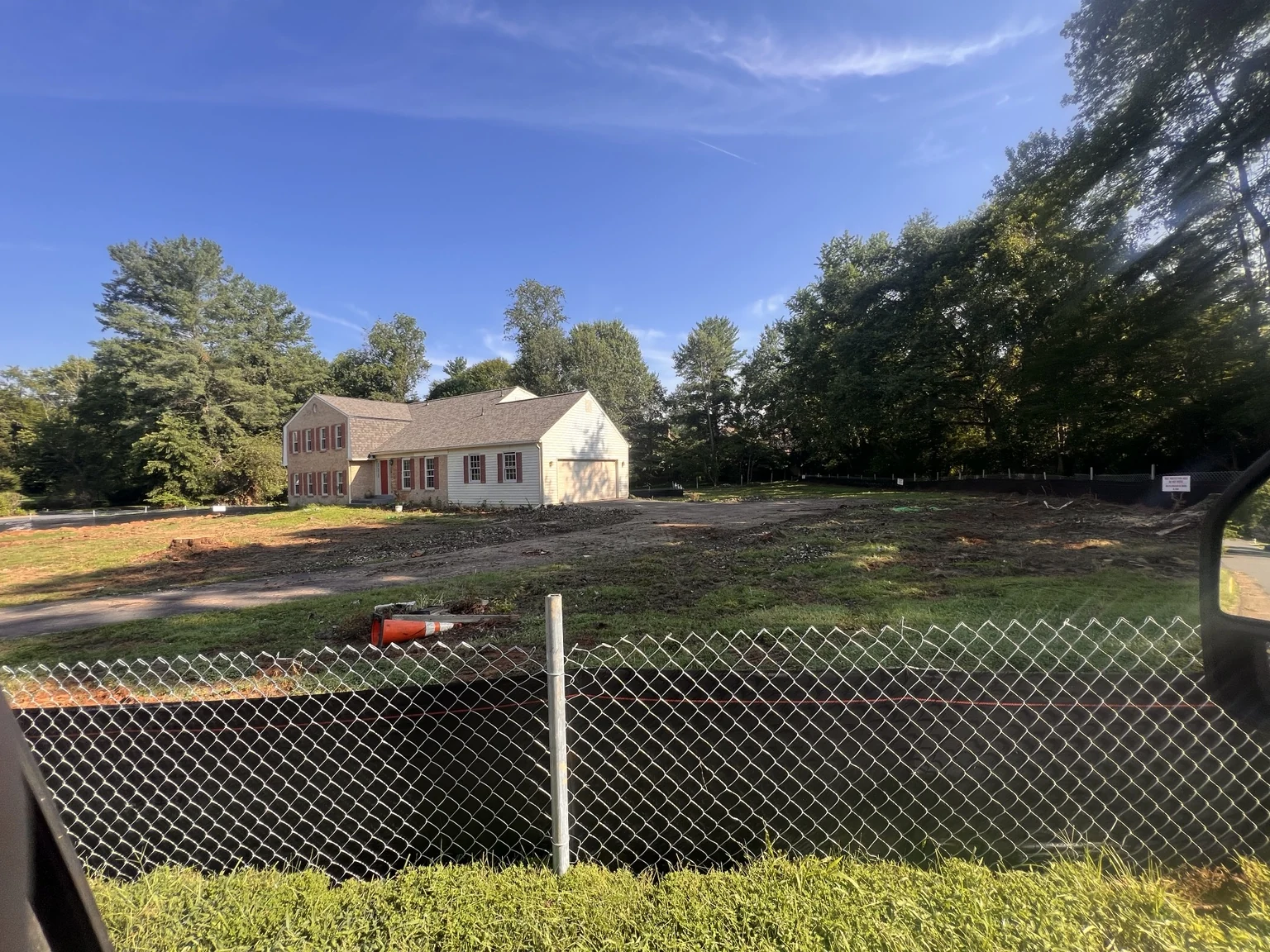
There are few things more frustrating than losing a week on a construction project over something that could have been prevented with ten dollars of stakes and marking ribbon.
The Limit of Disturbance is one of those things.
Early in the project, your engineer, surveyor, or site team marks the approved Limit of Disturbance in the field. Then, before erosion controls and site protection go in, the site inspector comes out to review that ribbon against the approved plan.
That review is a gate to the next step. So before the inspector ever gets there, make sure the line in the field actually makes sense.
Do Not Assume the Ribbon Is Right Because Somebody Else Put It There
Ideally, the engineer or survey crew gives you an exact day, arrives when expected, marks everything clearly, and leaves you with a field condition that perfectly matches the approved drawings.
Sometimes that happens. Sometimes you get missing stakes, ribbon that disappeared, a crew that came and went without meeting you, markings that are hard to interpret, or a line that simply does not appear to agree with the plan in your hand.
Walk it. Bring the approved plan. Understand what you are looking at. If the field condition does not appear to agree with the approved documents, resolve it before you call the inspector out.
The Inspector Reviews the Ribbon Before the Controls Go In
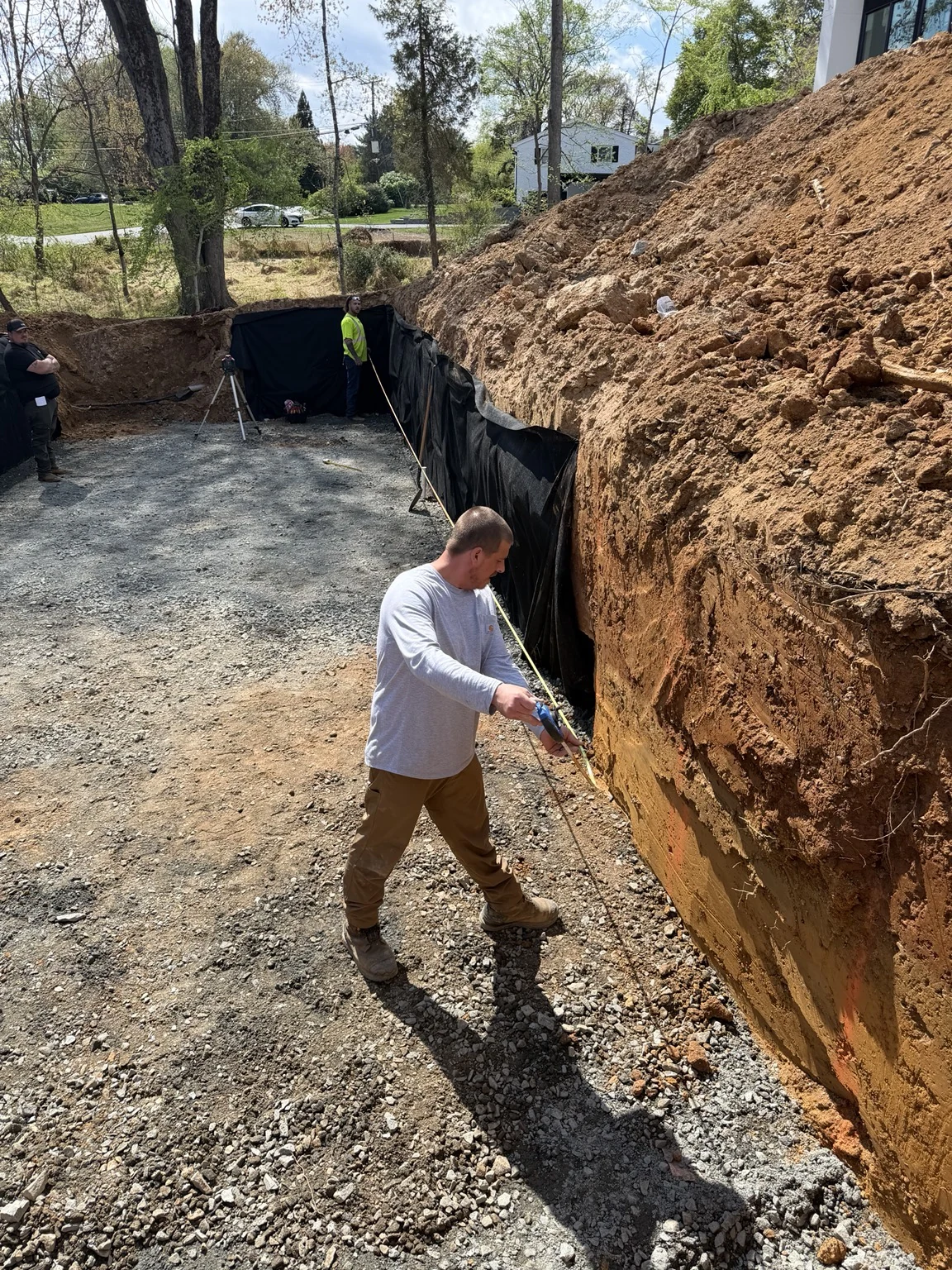
The inspector is not coming out after the super silt fence is installed to tell you whether the LOD was right. The ribbon itself gets reviewed first.
If the ribbon is correct, you move forward. If it is wrong or unclear, you do not.
Now the inspector has made a trip for nothing. Your site contractor still cannot start the controls. The engineer or surveyor may need to come back. The inspector may need to be rescheduled. And the next phase can slide several days—or potentially a week—over a problem that should have been caught during a simple walk beforehand.
The inspector should be confirming your LOD—not discovering it for you.
Keep a Small Field-Marking Kit in the Truck
I keep extra stakes and brightly colored marking ribbon available. Not because the superintendent or project manager should replace the engineer or surveyor, and not because you should independently relocate an approved Limit of Disturbance.
The approved plan controls, and any question about the official location needs to be resolved with the appropriate engineer, surveyor, or jurisdictional authority.
The value of carrying simple field-marking materials is that you can keep the site legible and organized after the correct location is established.
- Replace damaged or missing visible markings after the location is confirmed.
- Re-establish ribbon that has been torn down.
- Flag a questionable area so everyone understands that it needs verification before work proceeds.
- Keep a clear visual line long enough for the inspector and site contractor to work from it.
The goal is not to redesign the LOD. The goal is to make sure the approved LOD is obvious, continuous, and ready to inspect.
Ten Dollars of Material Solves a Surprising Number of Problems
The stakes and ribbon do not become useless after the LOD inspection. You can use them to identify underground utility routes, temporary parking, equipment travel paths, material-storage areas, places crews should not enter, and field conditions that need to be discussed at the next coordination meeting.
The material is cheap enough that there is almost no reason not to have it sitting in a small bin in the truck.
Parking Is a Good Example
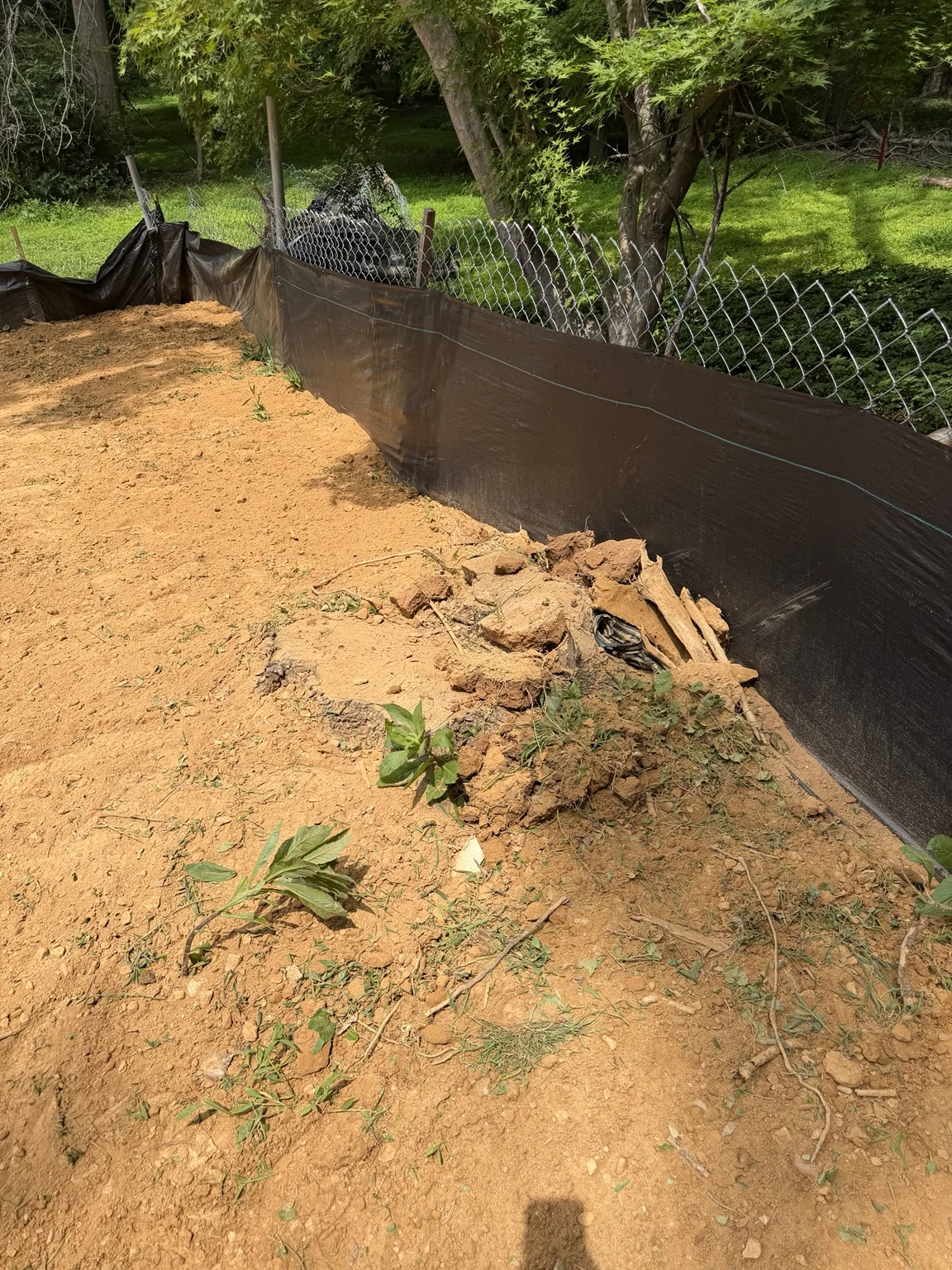
If you do not tell people where to park, people will park wherever it is convenient. Then one truck drives into a soft area, the next truck follows, and before long everybody is tracking mud across the construction entrance and onto the public road.
Now somebody has to stop doing productive work and start shoveling and sweeping.
Construction parking stops here.
A couple of stakes and a ribbon line can communicate that clearly and keep you from depending on how forgiving the site inspector happens to be that day.
Do Not Build the Schedule Around Your Relationship With the Inspector
Having a good relationship with inspectors is valuable. Being organized, respectful, and easy to work with makes everybody's job better.
But the project should not depend on whether the inspector likes you. When they arrive for the LOD review, the ribbon should be where it belongs, the approved plan should agree with the field, and the line should be clear enough to follow.
Boring inspections are good.
The Superintendent's Job Is Not to Survey the Project
It is to recognize when something does not make sense. You are not replacing the engineer. You are not overriding the surveyor. You are not changing an approved site plan with a roll of ribbon.
You are making sure the work they laid out is actually ready for the next person in the sequence.
Engineer marks it. You verify it. Inspector reviews it. Then the controls go in.
The Habit Is Simple
- Have the approved site and erosion-control plans with you.
- Know when the LOD is supposed to be marked.
- Whenever possible, schedule the LOD inspection immediately behind that work.
- Walk the entire ribbon before the inspector arrives.
- Compare the field markings to recognizable plan features and dimensions.
- Look for missing, damaged, or ambiguous sections.
- Get the engineer or surveyor involved where the official location needs verification.
- Make sure the line remains clear and understandable for the inspection.
- Keep spare stakes and ribbon in the truck so maintaining the field markings does not become another errand.
The materials might cost ten dollars. The walk might take thirty minutes. The alternative is another engineer visit, another inspector visit, a rescheduled site-control crew, and several days you never needed to lose.
The cheapest schedule recovery is the delay that never happened.
Join the discussion
What Works on Your Sites?
Share your field habit or experience. No account is required. Your name and comment will be visible publicly.
Loading comments…