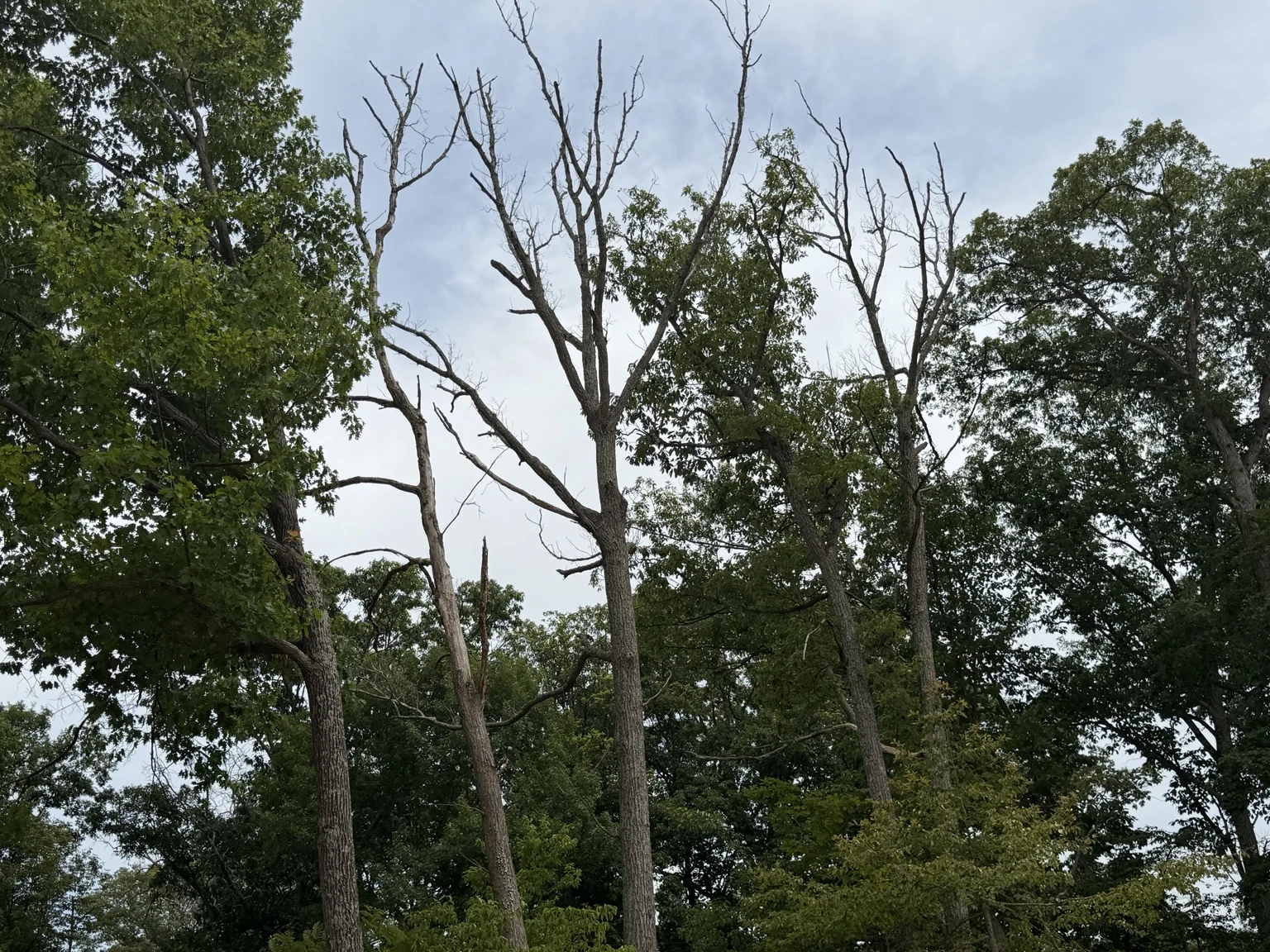
One of the easiest opportunities to save money at the beginning of a custom-home project is to walk the actual site against the approved tree plan before clearing is complete. But do not stop at the construction footprint or the trees already designated for removal.
Walk beyond the Limit of Disturbance (LOD). Pay particular attention to the band of property immediately outside the future silt fence, tree protection, and other erosion-and-sediment controls. That is where a dead, dying, damaged, or newly exposed tree can become an expensive problem after the site is locked down.
Look Outside the Limit of Disturbance, Not Just Inside It
The obvious focus during tree clearing is the work area: which trees come down, which trees remain, where equipment will move, and how the house fits on the lot.
Some of the trees most likely to create trouble later may sit just outside that area. They may not interfere with excavation or the house footprint. They may not even be inside the approved LOD. But once silt fence, super silt fence, tree-protection fencing, utilities, grading, and site access controls are installed, taking one of those trees down can become substantially harder.
Tree Clearing Changes Wind Exposure
A dead or compromised tree may have stood for years surrounded by a mature canopy. The neighboring trees affect how wind moves through the site and may shelter one another from direct exposure.
Then clearing begins. A portion of that canopy disappears. The wind pattern changes, and a tree that previously sat inside a protected stand may suddenly become part of the exposed edge.
This matters particularly for dead, declining, damaged, or structurally questionable trees. A tree that looked relatively stable before clearing may not respond the same way after the trees around it are removed.
That new exposed edge is often immediately outside the erosion controls—which is exactly where you do not want to discover the problem after the site is already mobilized and protected.
Use the Pre-Clearing Arborist or Tree-Preservation Meeting
On projects where the jurisdiction requires a pre-clearing, arborist, urban-forestry, or tree-preservation review, use that meeting for more than simply confirming the trees already shown for removal.
Walk the perimeter with the applicable professional or authority. Point out dead or compromised trees just outside the future work area and ask whether they need to remain.
If an additional removal can be approved without compromising required canopy, tree preservation, lot-coverage requirements, or the approved preservation plan, the best time to resolve that question is while everyone is already looking at the site.
Remove Approved Problem Trees Before Silt Fence and Site Protection Make Access Harder
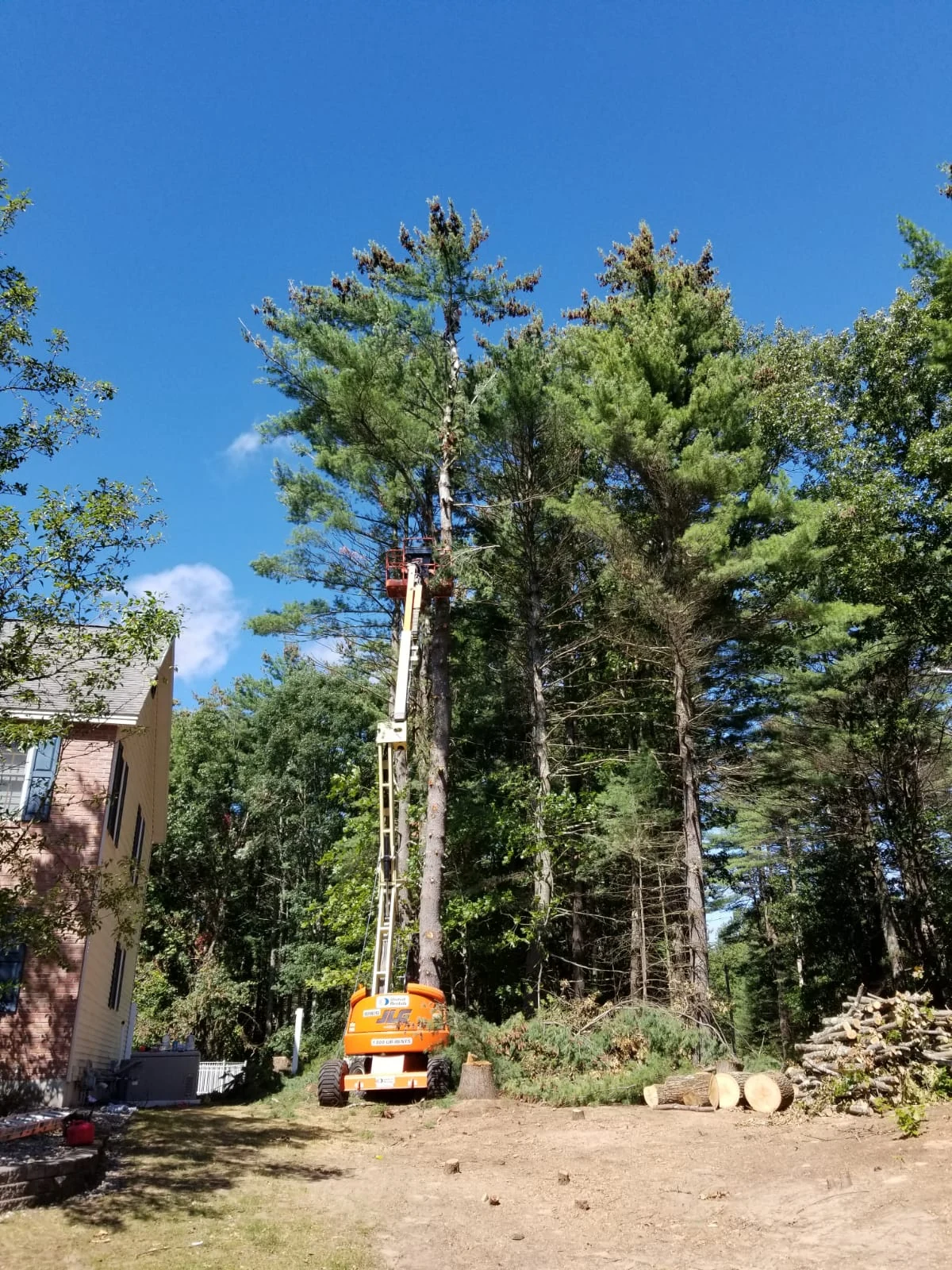
If the tree company is already mobilized, equipment is onsite, and access is still open, an approved additional removal may be a relatively small operation.
Come back after site protection is installed and the same tree can become a completely different job. Equipment access may be restricted. The tree may need to be climbed, rigged, or dismantled in smaller sections. Erosion controls may need to be protected, temporarily modified, or restored. Utilities, finished grading, access roads, and eventually the house itself can all make the operation more difficult.
If the tree is outside the approved Limit of Disturbance, the inspector may also restrict equipment from entering that protected area and require the tree to be removed by hand. That can mean climbing, rigging, and carrying out smaller sections instead of using the access and equipment that were available before site controls went up.
You can end up paying for another mobilization simply because nobody looked a little farther beyond the construction line before the first crew left.
You Do Not Want to Protect a Dead Tree for Six Months and Then Pay to Remove It
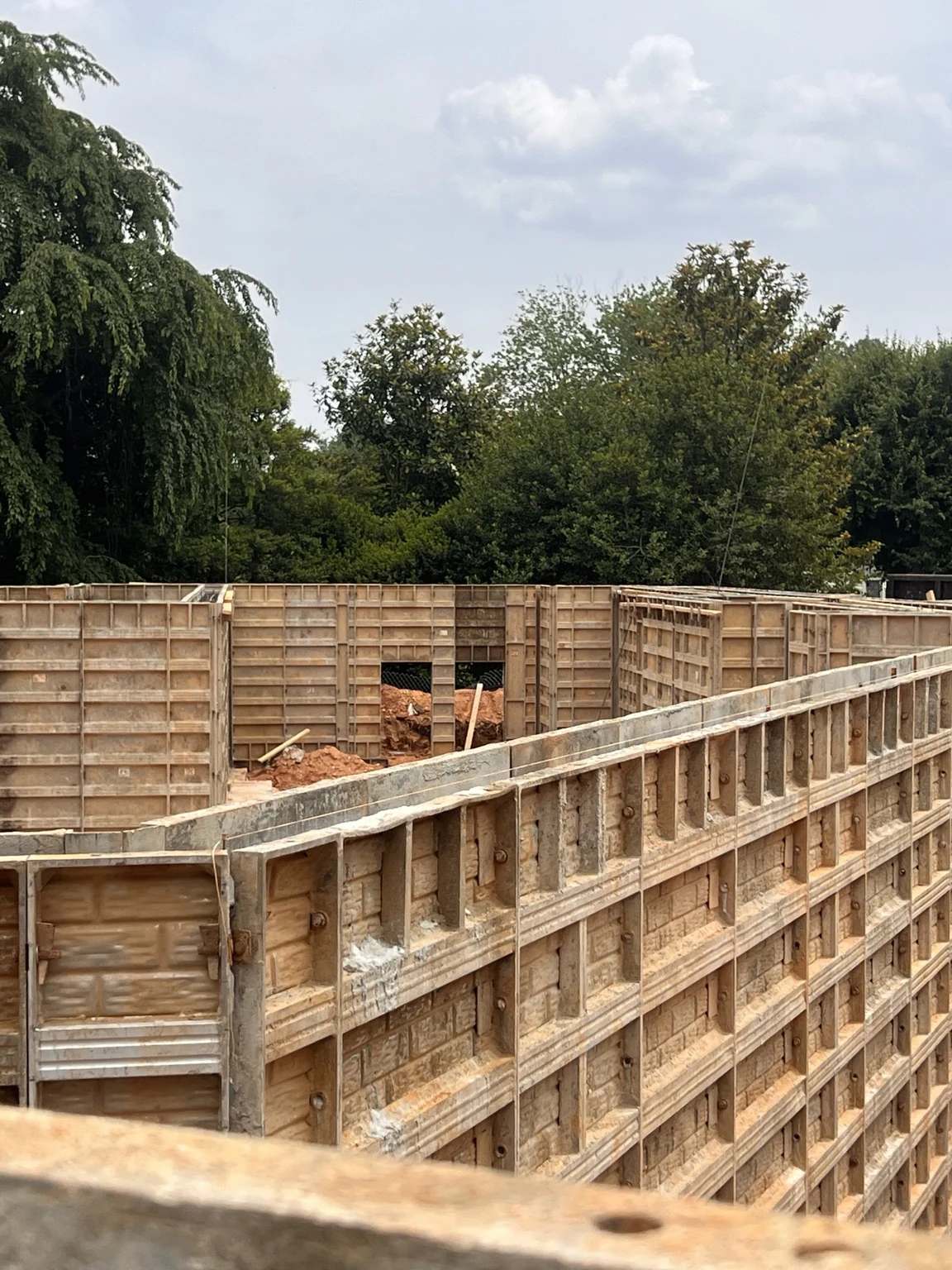
There is something particularly frustrating about spending money to carefully install erosion controls and tree protection around a tree everyone could have recognized as a problem at the beginning of the project—then paying again to work around those controls when the tree has to come down.
That is not an advanced technical failure. It is a sequencing failure.
A Simple Pre-Clearing Tree Checklist
- Walk the approved tree-removal and tree-preservation areas against the actual site.
- Walk the future Limit of Disturbance.
- Continue outside the LOD and inspect the area immediately beyond the proposed erosion controls.
- Look for dead, declining, damaged, leaning, or otherwise questionable trees.
- Consider which remaining trees will become newly exposed once approved clearing changes the canopy.
- Discuss questionable trees during the required arborist or tree-preservation review where applicable.
- Confirm which trees must remain and which additional removals can legally be approved without compromising preservation or canopy requirements.
- Handle approved removals while the tree contractor, equipment, and access are already available.
That extra walk may take half an hour. It can save another tree-company mobilization, complicated rigging, damaged erosion controls, schedule disruption, and a much larger bill later.