Define normal
What is the system supposed to do? What was the design intent, sequence, tolerance, or expected result?
Complex systems & technical problem solving
When a complicated system will not work, the answer is often not a bigger fix. It is the right fix. Heartstone approaches technical problems by understanding how the system is supposed to perform, isolating what is actually failing, and correcting the detail that matters.
Experience is what tells you when an “impossible problem” is really one missed connection, one control issue, one sequencing mistake, or one field condition no one has looked at clearly enough yet.
Built across disciplines, not inside one silo
A structural detail can create a finish problem. A control issue can look mechanical. An electrical miss can leave a system completely dead. The symptom is not always the cause.
Heartstone's technical perspective comes from hands-on exposure to structure, electrical, controls, mechanical coordination, finish execution, and high-end residential construction management. That makes it easier to step back, simplify the problem, and identify the correction before more money gets spent in the wrong direction.
Systems that technically exist, but do not perform the way the owner or design intended.
Repeated failures where multiple trades have already tried isolated fixes.
Problems that live at the interface between trades, scopes, or sequencing.
Complex homes where field judgment matters as much as technical documentation.
Situations where the proposed repair is growing more complicated than the root defect.
Fresh field examples
These are the kinds of field conditions where broad technical judgment matters: diagnosing dead equipment, tracing control issues, catching finish conflicts, understanding sequencing, and making sure the final work actually performs.
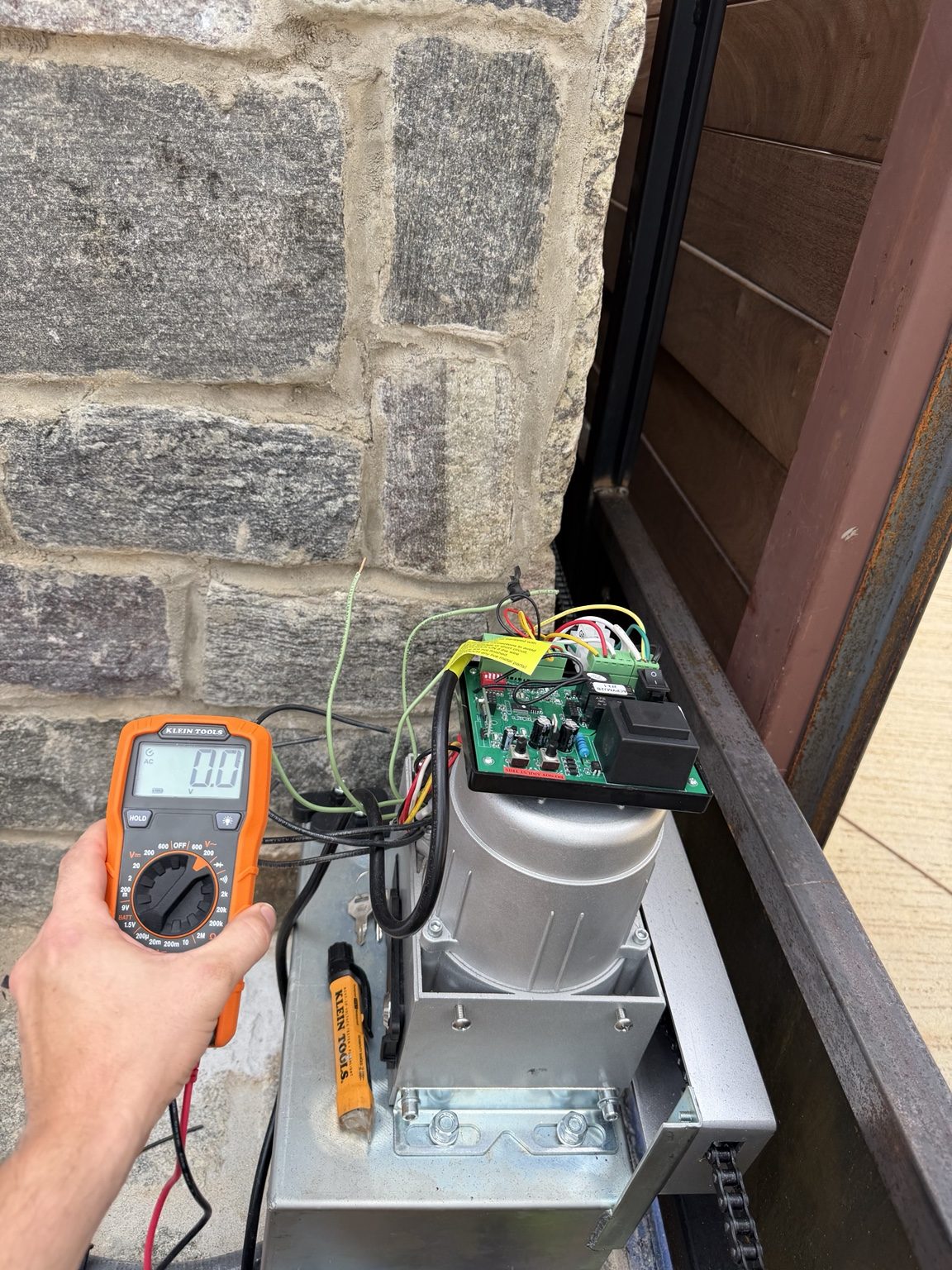
When equipment is not responding, start with power, controls, and basic logic before assuming the whole operator is defective.
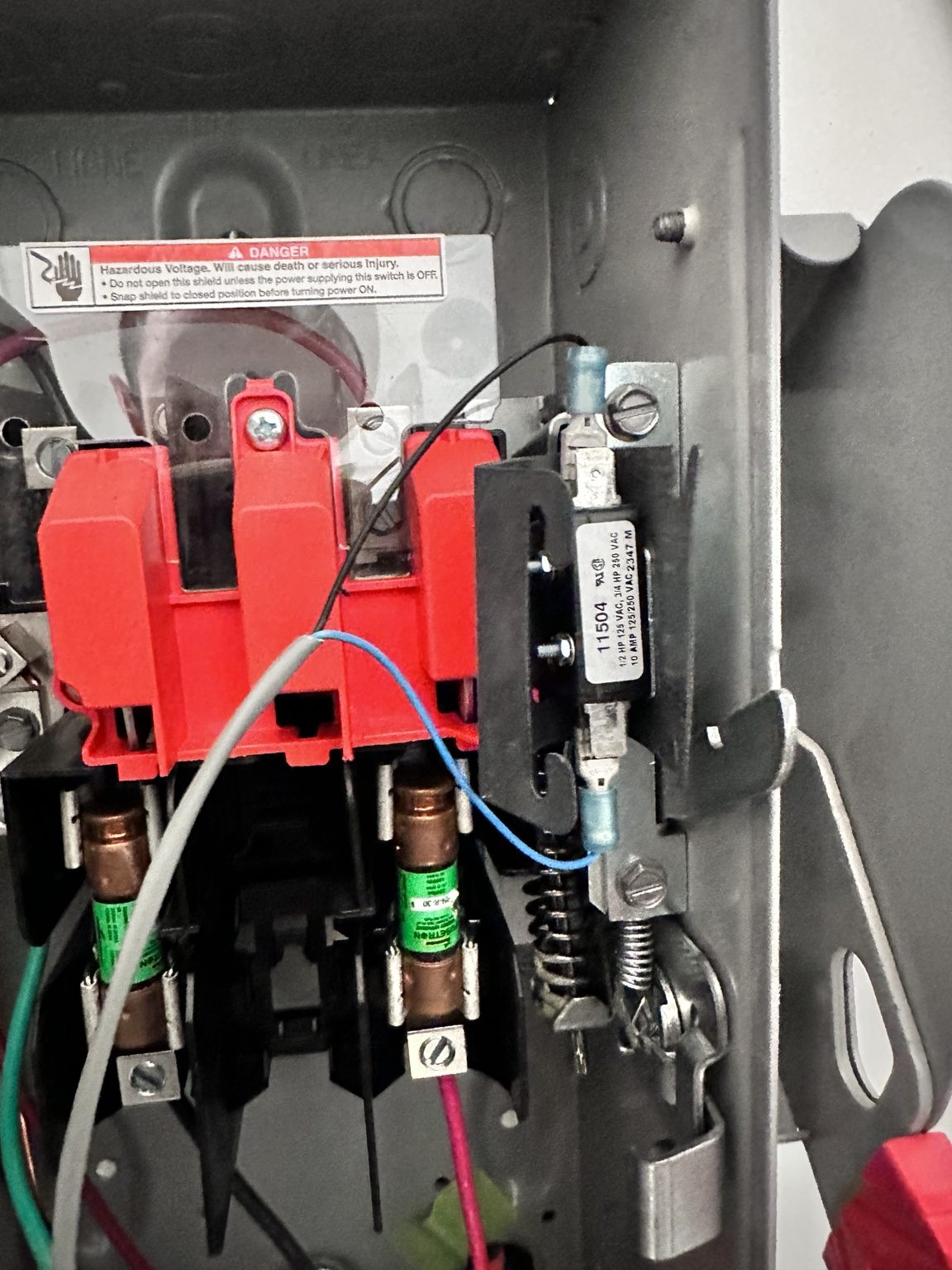
Sometimes one small electrical component is the real reason an entire system appears dead.
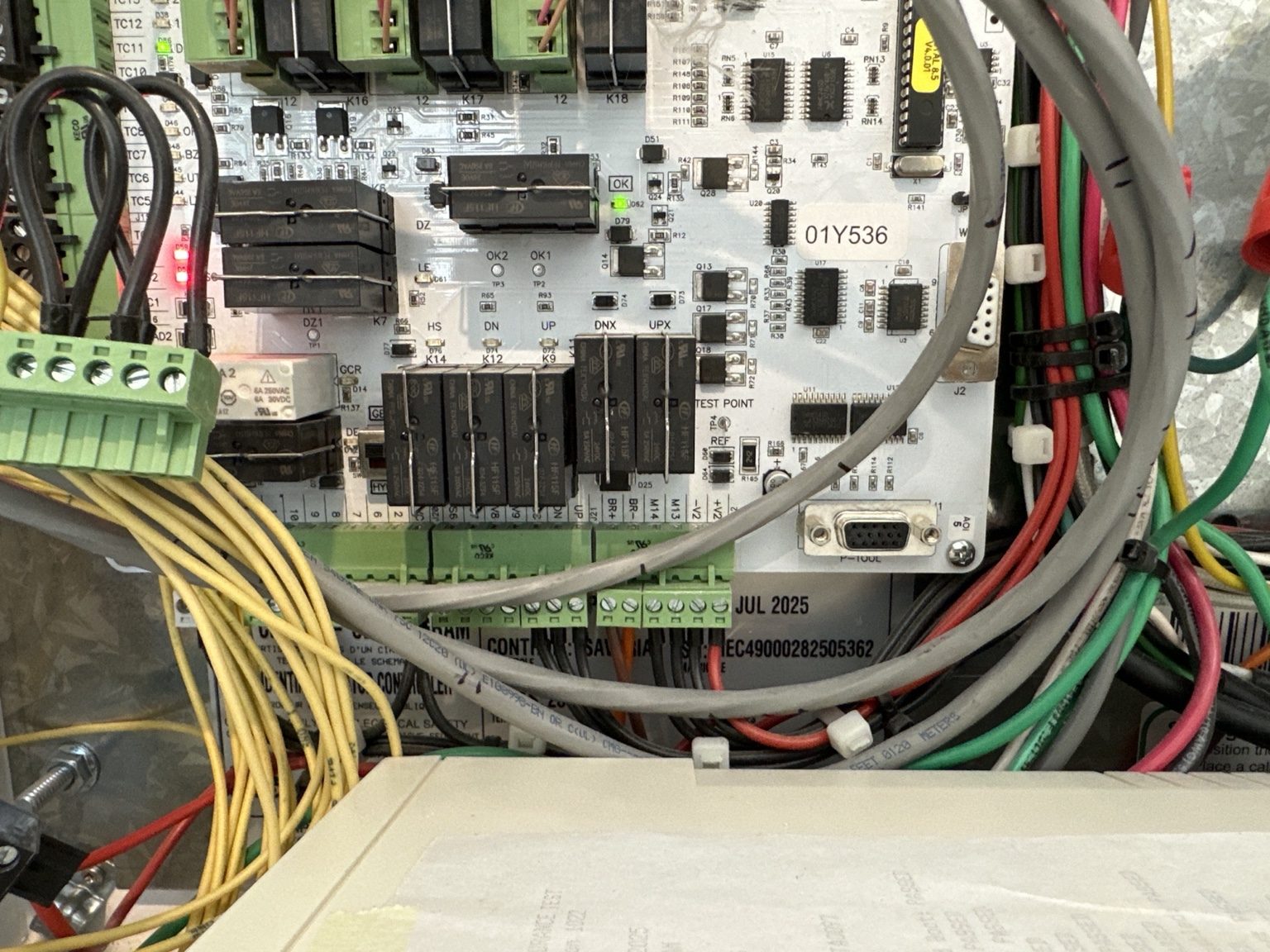
Good troubleshooting separates board logic, inputs, interlocks, and field wiring from the symptom everyone is reacting to.
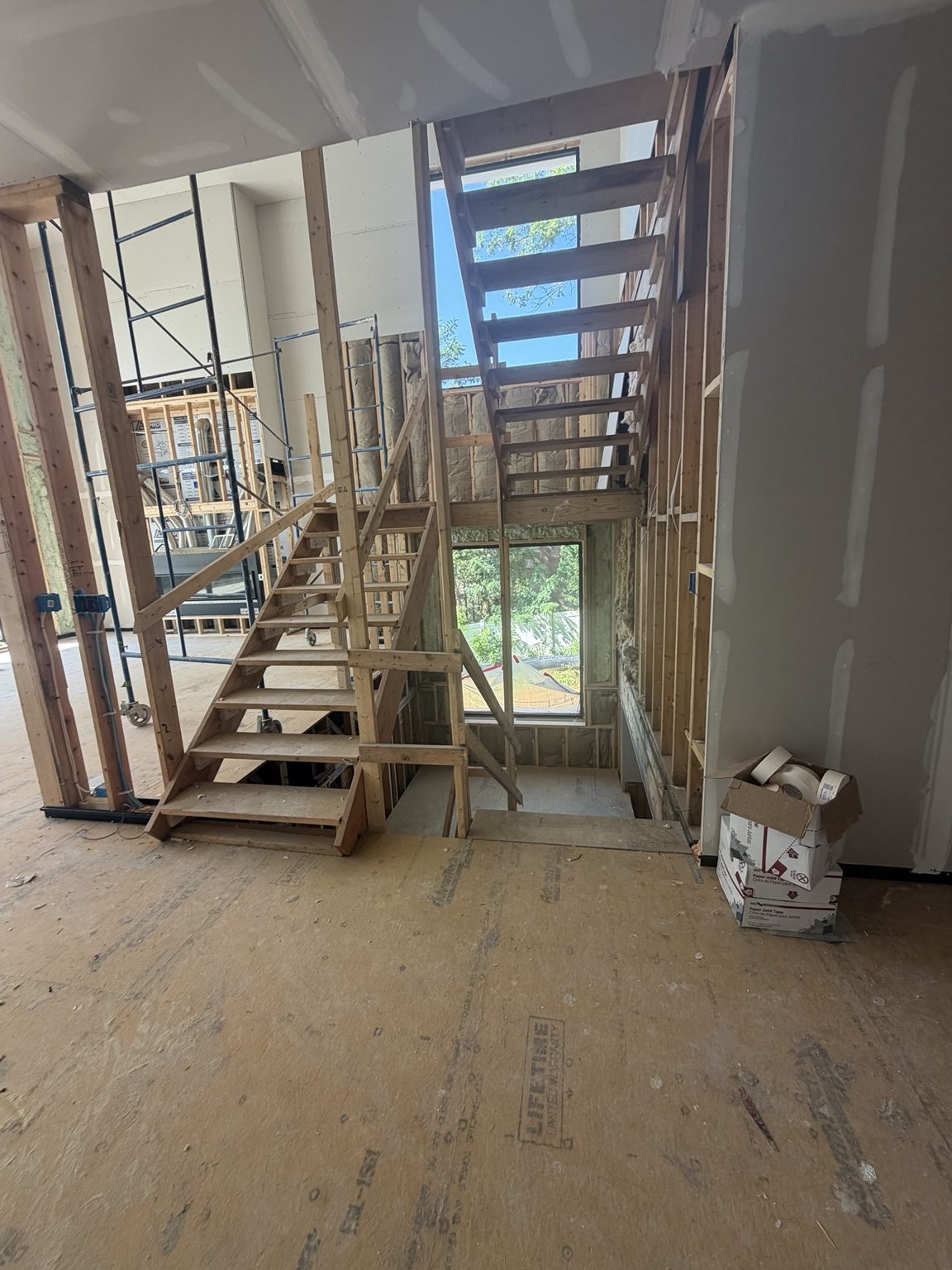
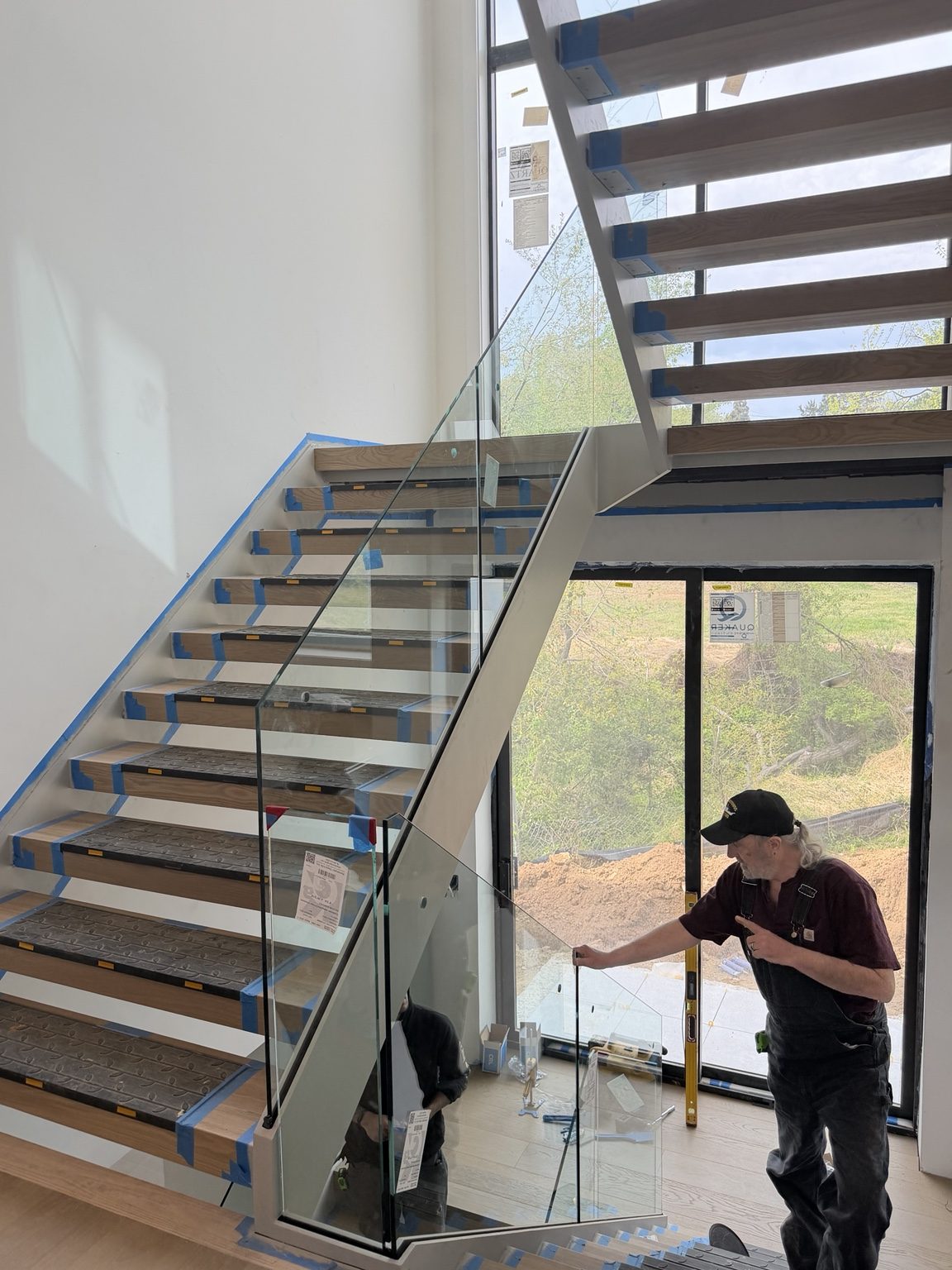
Stairs, glazing, framing, and finish tolerances all have to cooperate if the final assembly is going to work cleanly.
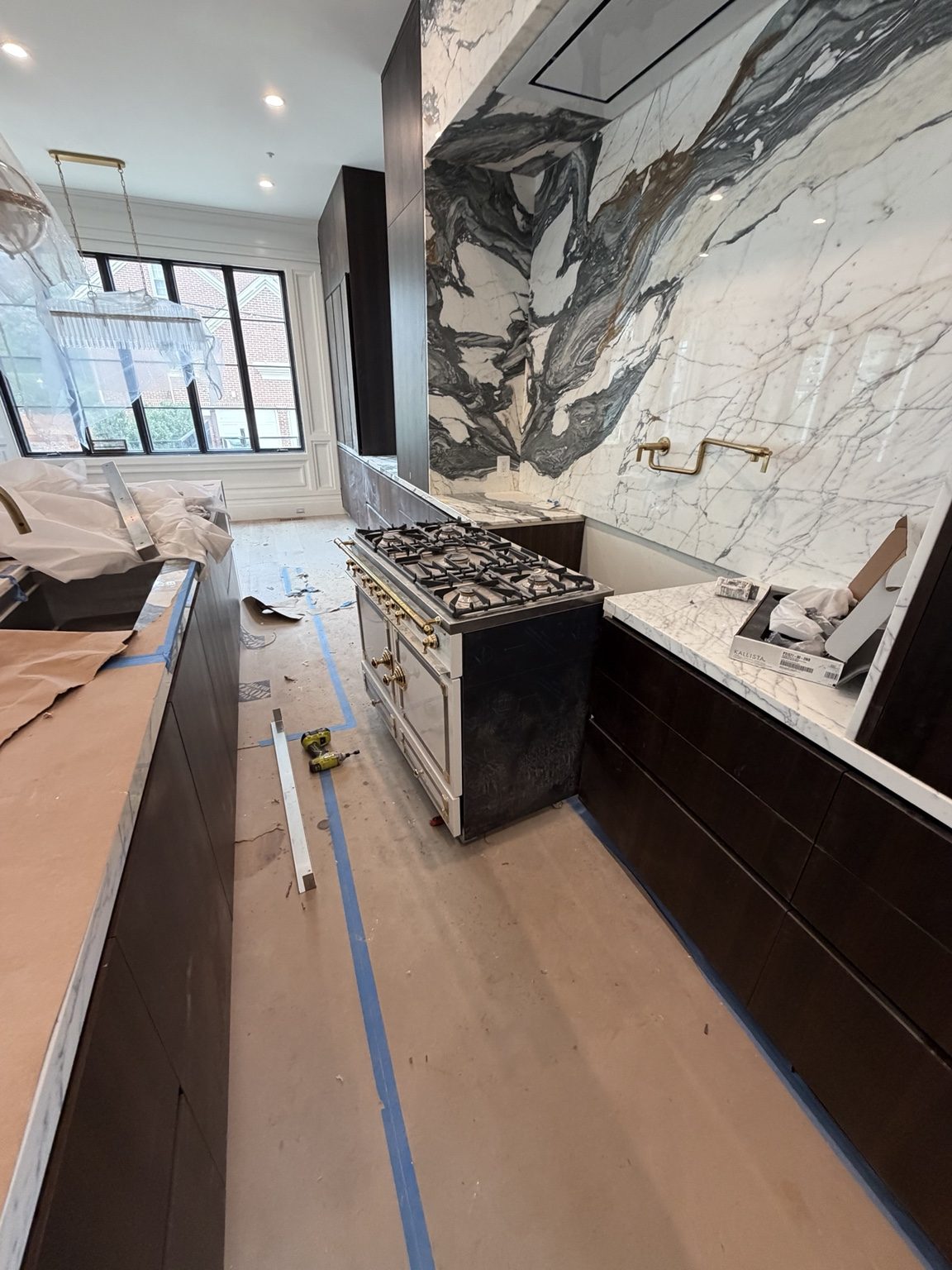
Technical thinking applies at the finish level too — alignment, fit, ventilation, appliance integration, and execution all matter.
The method
Complex troubleshooting is not about sounding technical. It is about moving from symptom to cause in a disciplined way, then making the smallest correction that actually solves the problem.
What is the system supposed to do? What was the design intent, sequence, tolerance, or expected result?
What is actually happening in the field? Separate facts from assumptions, and symptoms from causes.
Trace interfaces, sequence, controls, physical constraints, prior changes, and the last point where the system behaves correctly.
Before adding scope, ask whether one connection, setting, sequence, component, or installation detail explains the failure.
Correct the condition, test the system as a whole, and confirm the fix solves the real problem without creating a new one.
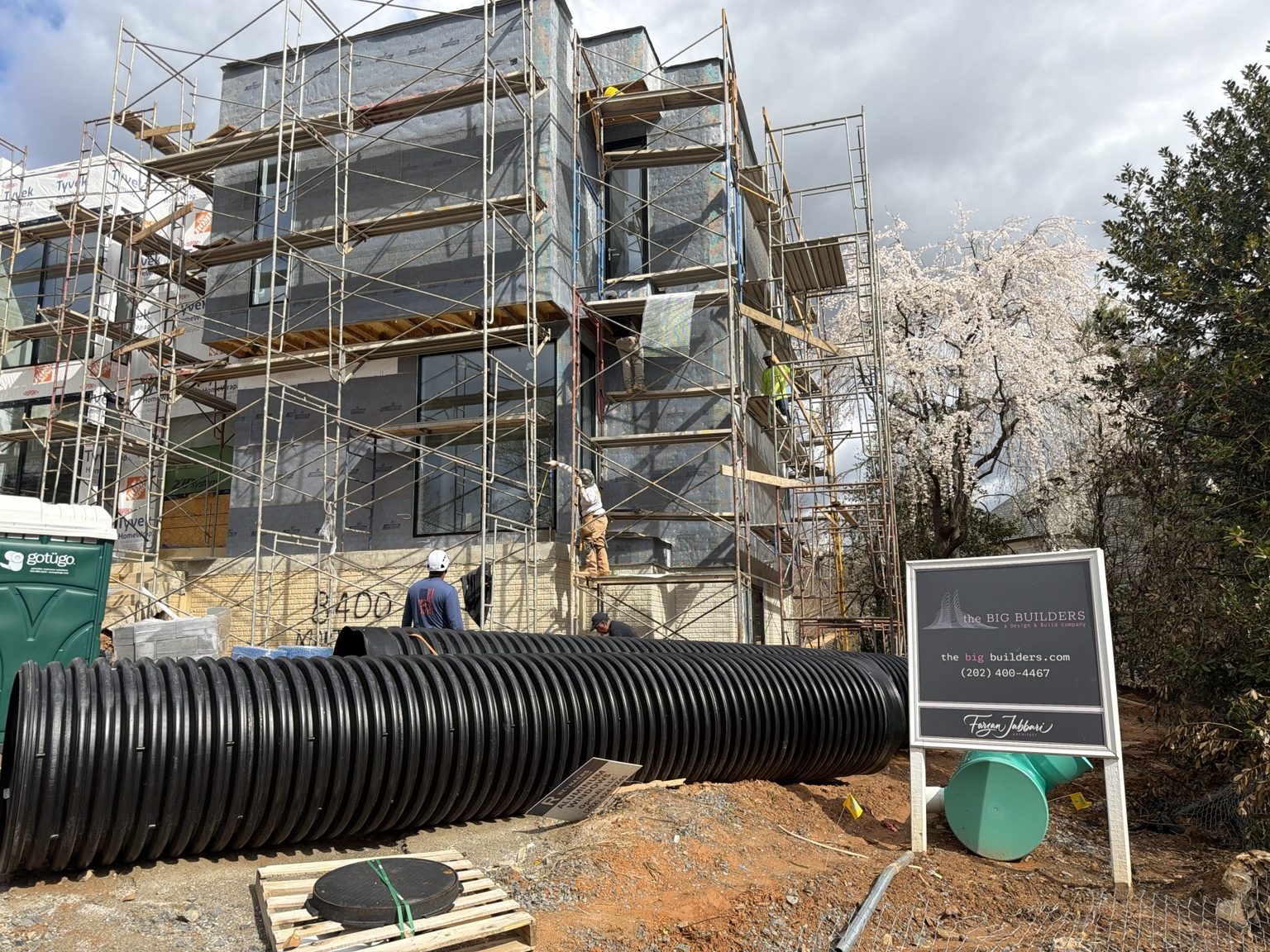
Envelope, sequencing & correction
It applies just as much to envelope work, field sequencing, and complex assembly coordination as it does to a dead piece of equipment. The real value is seeing the system clearly enough to know what must change and what does not.
Trace the source of the failure instead of repairing the symptom repeatedly.
Understand where structure, envelope, glazing, finish, and MEP work affect each other.
Keep corrections proportional — do not turn a small miss into a large unnecessary rebuild.
Use the right specialist when the issue needs deeper discipline-specific analysis.
The expert bench
Heartstone does not pretend one person should be the final authority on every technical discipline. The stronger model is a cross-disciplinary problem solver at the center, supported by the right specialist when the problem calls for one.
Engineers and experienced field professionals for structure, movement, load paths, connections, and unusual existing conditions.
Specialists for power, controls, low-voltage integration, automation, and system logic.
HVAC, hydronic, boiler, ventilation, commissioning, and equipment-integration expertise.
Roofing, waterproofing, drainage, stucco, flashing, glazing, and building-envelope problem solving.
Pool equipment, automation, gate operators, and unusual high-end home components.
Millwork, cabinetry, stone, metal, finish tolerances, and corrective detailing where aesthetics and execution meet.
When sealed calculations, licensed engineering, forensic opinions, or discipline-specific professional services are required, Heartstone coordinates the appropriate qualified professional rather than substituting for them.
Field-built technical judgment
That experience includes precision masonry and historic work; electrical rough-in, service, and finishing; boiler rebuilding involving electrical, plumbing, mechanical, high-pressure steam, commissioning, and quality control; adaptive reuse and renovation; specialized electrical and system work for custom pools and estates; and management of complex $2M–$10M+ luxury residential projects involving structure, MEP, glazing, automation, inspections, procurement, design coordination, and closeout.
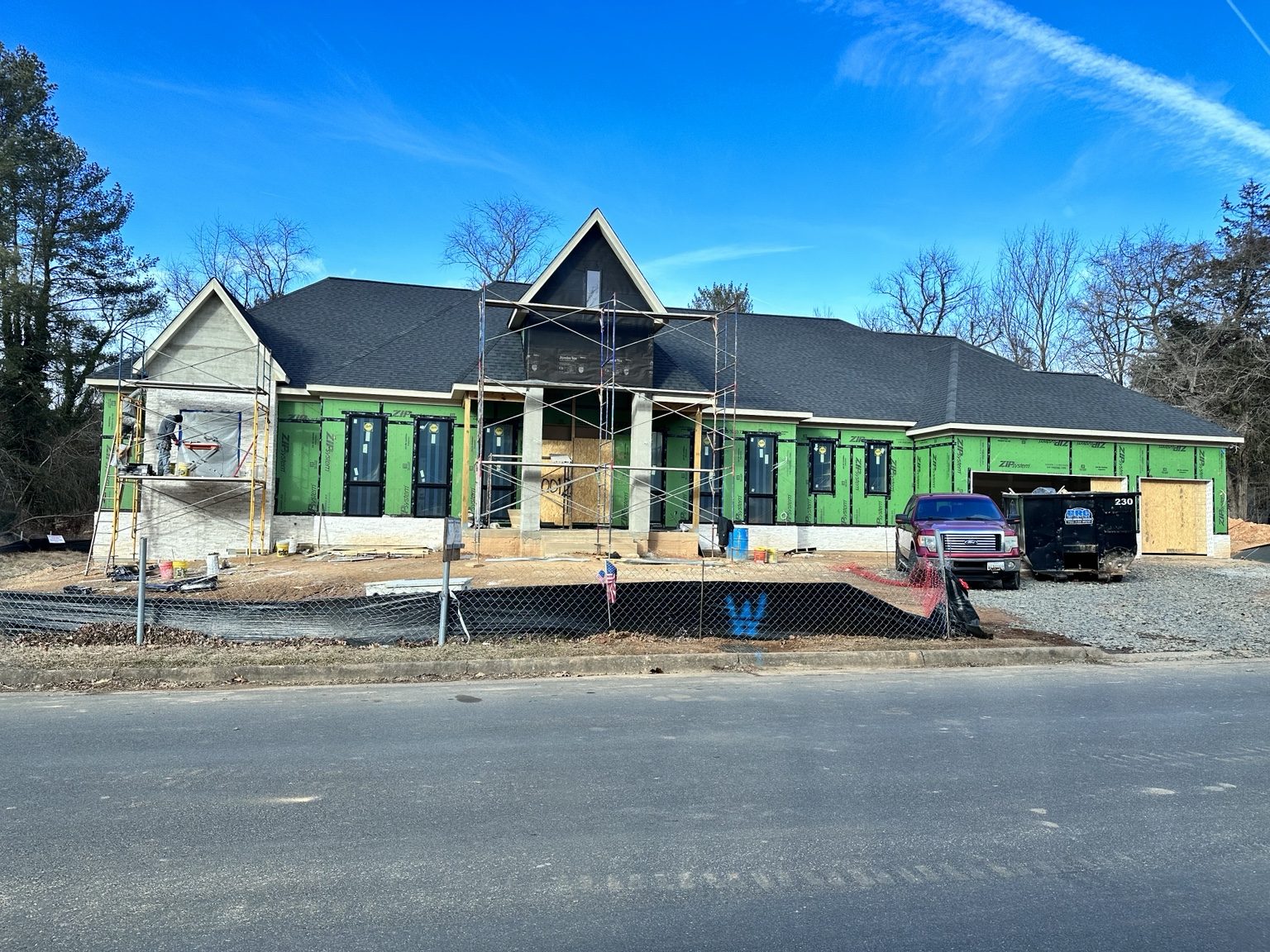
What “simple” really means
The simplest correction is often only visible after someone understands the whole system well enough to eliminate everything that is not causing the problem.
Do not replace a system when one control condition is wrong.
Do not redesign an assembly when one tolerance or sequencing issue is creating the conflict.
Do not keep repairing the symptom when two trades are missing the interface between their scopes.
Do not release the problem until the correction has been tested under real operating conditions.
System-level thinking
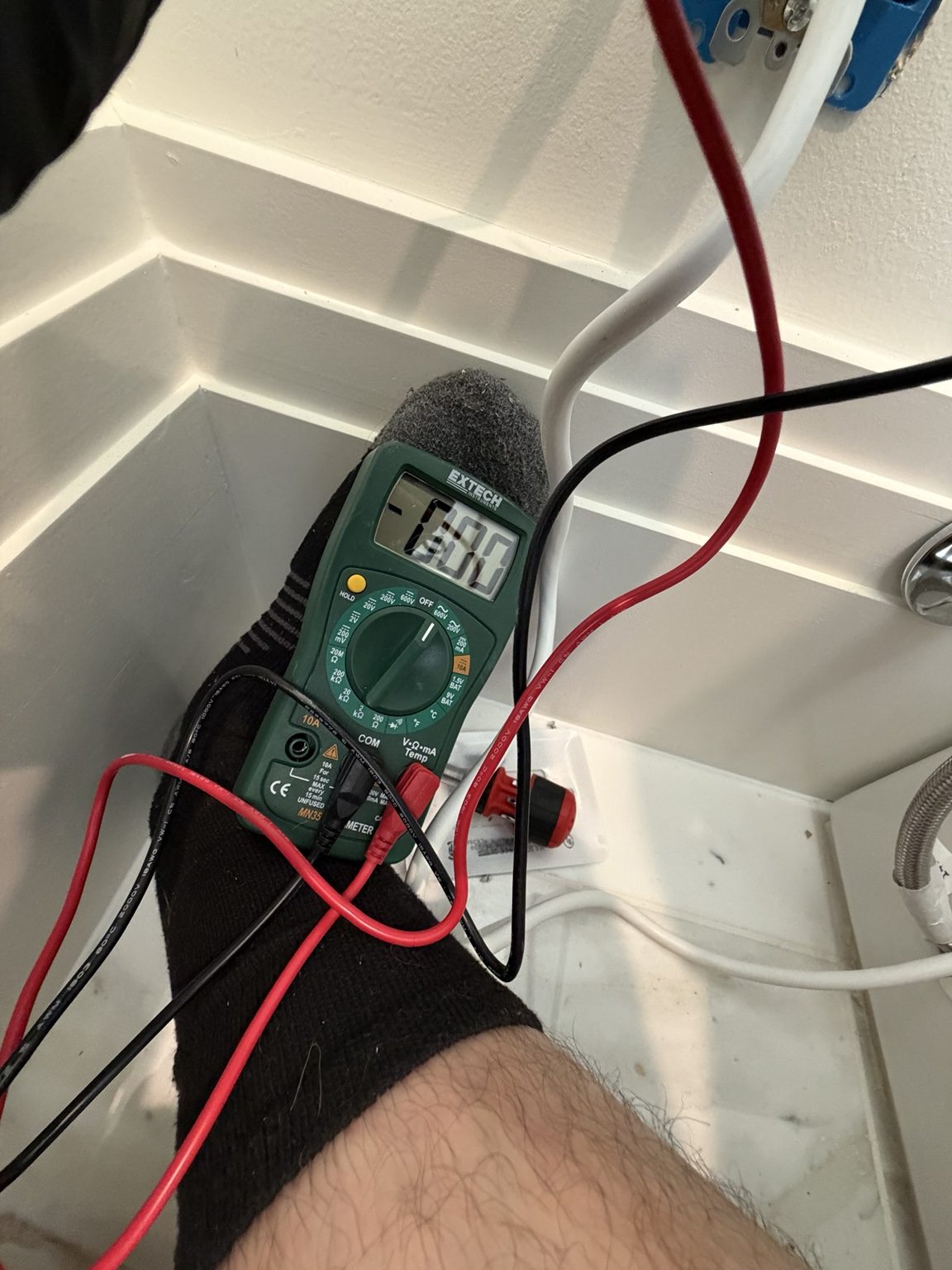
Case study · Alternative septic system
A brand-new system would not work. The correction was to change where pressure and flow were being controlled.
What changed
Private technical consultation
Start with what the system is supposed to do, what it is actually doing, what has already been tried, and who has been involved. We can help determine whether the answer is a simple field correction, a coordination fix, or a specialist who needs to be brought in.
Plans · control diagrams · inspection reports · progress photos · prior repair attempts · manufacturer information · sequence of events · current contractors or consultants
SERVICE AREA
Primary engagement area: Northern Virginia and Washington, DC. Heartstone also accepts limited engagements nationwide where the project and scope are the right fit.